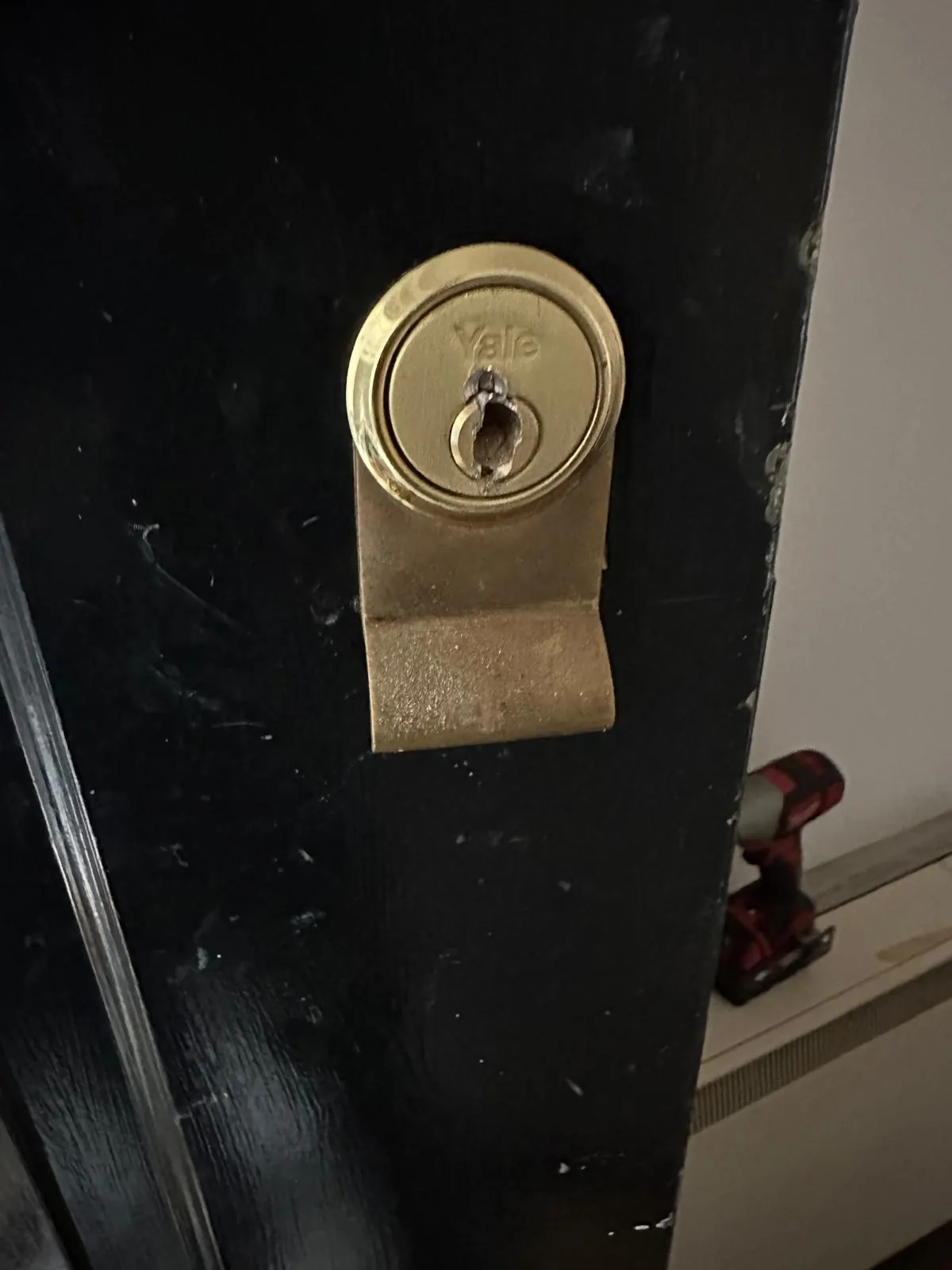
A dedicated landlord locksmith service or managed-property programme is not confirmed. The site does list residential and commercial work, lock repair, replacement and rekeying. Call first to check whether a one-off property issue is within scope.
Check who can approve a lock change
Before arranging work, confirm who is responsible for the affected door. A lock serving one flat may be managed differently from a shared entrance or communal door. Ask the landlord, letting agent or building manager who can authorise a repair or change.
This guide cannot determine who has authority under a tenancy or building agreement. If responsibility is unclear, resolve that with the relevant property contact before making arrangements.
Describe the issue clearly
Explain which door is affected, what has changed and whether it still locks. Say whether the property is occupied, whether anyone is locked out and whether the problem involves a shared entrance. These details help explain the situation without assuming which work is needed.
Do not send access codes, key-cut close-ups or unnecessary tenant details in an initial message. A broad photo of the door edge or visible lock may help, provided it does not reveal sensitive access information.
Repair, replacement or rekeying
A fault may need repair, a worn part may need replacement, or a change of access may prompt a question about rekeying. The suitable option depends on the lock and its condition. Read about lock replacement and rekeying, or use the page on general lock repair to describe a fault.
When keys are missing
Work out which doors the missing keys may open and whether they were lost with anything that identifies the property. Tell the person responsible for the property, especially when shared access could be affected. The lost house keys guide covers useful first steps.